A straight-razor shave at Faded On Main in China Grove is slower than the five-minute job most men do over the bathroom sink, and that is the point. The razor does not work harder than yours. The preparation does the heavy lifting, softening the beard so a single blade can cut close without dragging.
If you have never had one, expect about half an hour of quiet, deliberate work: hot towels, lather, two passes, and a cool finish. It suits a wedding morning, a job interview week, or simply a Saturday when you want to leave the chair feeling reset. It is not for everyone on every day, and knowing that ahead of time makes the first visit better.
The prep does most of the work
The appointment starts with a hot towel over the beard area. Heat and moisture swell the hair shaft and soften it, so it cuts with less force. The barber then works warm lather in with a brush, lifting hairs away from the skin and spreading lather into every gap a fingertip application misses.
While the towel sits, say something about your skin. Daily shavers, men who get ingrown hairs along the neck, and anyone with a mole or scar in the beard area should mention it now, not mid-pass. A good barber adjusts the angle and pressure around those spots, and may stretch the skin differently on the neck, where hair often grows in several directions at once.
| Situation | Straight-razor shave | Better choice for now |
|---|---|---|
| Three or more days of growth | Excellent fit; prep softens heavy growth well | Not needed |
| Sensitive, easily reddened skin | Possible, with a single with-the-grain pass | Ask for a test area first |
| Active breakouts or eczema in the beard | Wait until the skin clears | A trim or cut only |
| Taking blood-thinning medicine | Check with your doctor first | Electric shave at home |
| Big event the same evening | Book earlier in the day | Book the day before if your skin is reactive |
Two passes, two different jobs
The first pass goes with the grain. It removes the bulk of the growth without pulling, and it will not feel baby-smooth if you rub against the grain afterward. That is expected. The barber re-lathers, then makes a second pass, usually across or lightly against the grain, to close the gap. Chasing smoothness in a single aggressive pass is how home shaves end in redness.
Between passes you will hear the razor being stropped or a fresh blade being fitted. Listen for the sound on your own skin too. A clean pass feels like a faint scrape and sounds dry and crisp. Tugging means the hair was not soft enough or the angle is off, and a good barber will pause, add lather, and reset rather than push through.
Aftercare, and who should wait
The finish is a cool towel to calm the skin, then a light balm. Skip aftershaves with heavy alcohol that day, avoid scrubbing the area that night, and hold off on shaving again for a day or two while the skin settles. Mild warmth or pinkness for an hour is common after a first razor shave. Bumps that worsen over two days are not, and are worth a call to a doctor if they spread.
Some men should postpone. Active acne, eczema, psoriasis, sunburn, or a cold sore in the beard area all argue for waiting until the skin clears. So do blood-thinning medicines and anything that affects clotting or healing, because even a tiny nick behaves differently. Ask your doctor if you are unsure, and tell the barber plainly. Waiting a month beats healing a preventable problem.
Keeping it up between visits
A good barber visit runs on information. Tell the barber how long it has been since the last cut, what you have been doing at home, and what has been bothering you in the mirror. That short conversation saves guesswork. Most disappointments in the chair come from a vague request, not from bad cutting, and two minutes of plain talk at the start prevents weeks of growing out a misunderstanding.
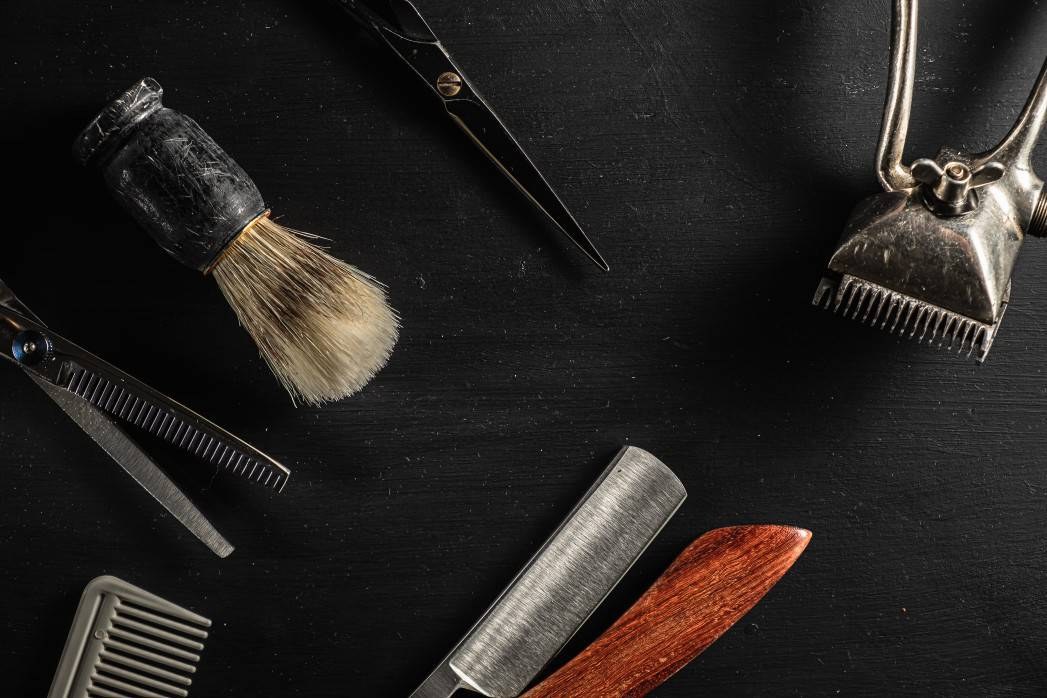
Tools matter less than condition. Clippers, scissors, and razors all do poor work when dull or dirty, which is one reason a shop cut holds its shape longer than most home attempts. At home, keep any trimmer clean, oiled as the maker directs, and stored dry. If a home fix starts to involve correcting a correction, stop. A barber can level almost anything that still has length, but very little that has been cut too short.
Common questions
Will it hurt?
It should not. You will feel the blade and hear it working, but pain or repeated tugging means the prep or angle is off, so speak up during the shave rather than after.
How close is the result, really?
Closer than most cartridge shaves, because the skin is softened, stretched, and shaved in two planned passes. Most men get an extra half day before stubble feels rough again.
Can I get one with a beard I am keeping?
Yes. Many men book the razor work for the cheeks and neck only, keeping the beard itself shaped with clippers and scissors while the edges get the close finish.
Photos in this guide are representative stock images.
← All guides from Faded On Main← Back to Faded On Main