Most style changes fail in the conversation, not in the cutting. A customer says a word like shorter or textured, the barber hears a picture that may not match the one in the customer's head, and both discover the gap when the cape comes off. At Faded On Main in China Grove, as anywhere, the fix is a better five minutes before the clippers start.
Autumn is when many men finally act on a change they have been considering since summer, partly because a new season makes a new shape feel natural and partly because a hat forgives early awkwardness. Use that timing. Bring references, talk honestly about your mornings, and agree on a test version before committing to the full change.
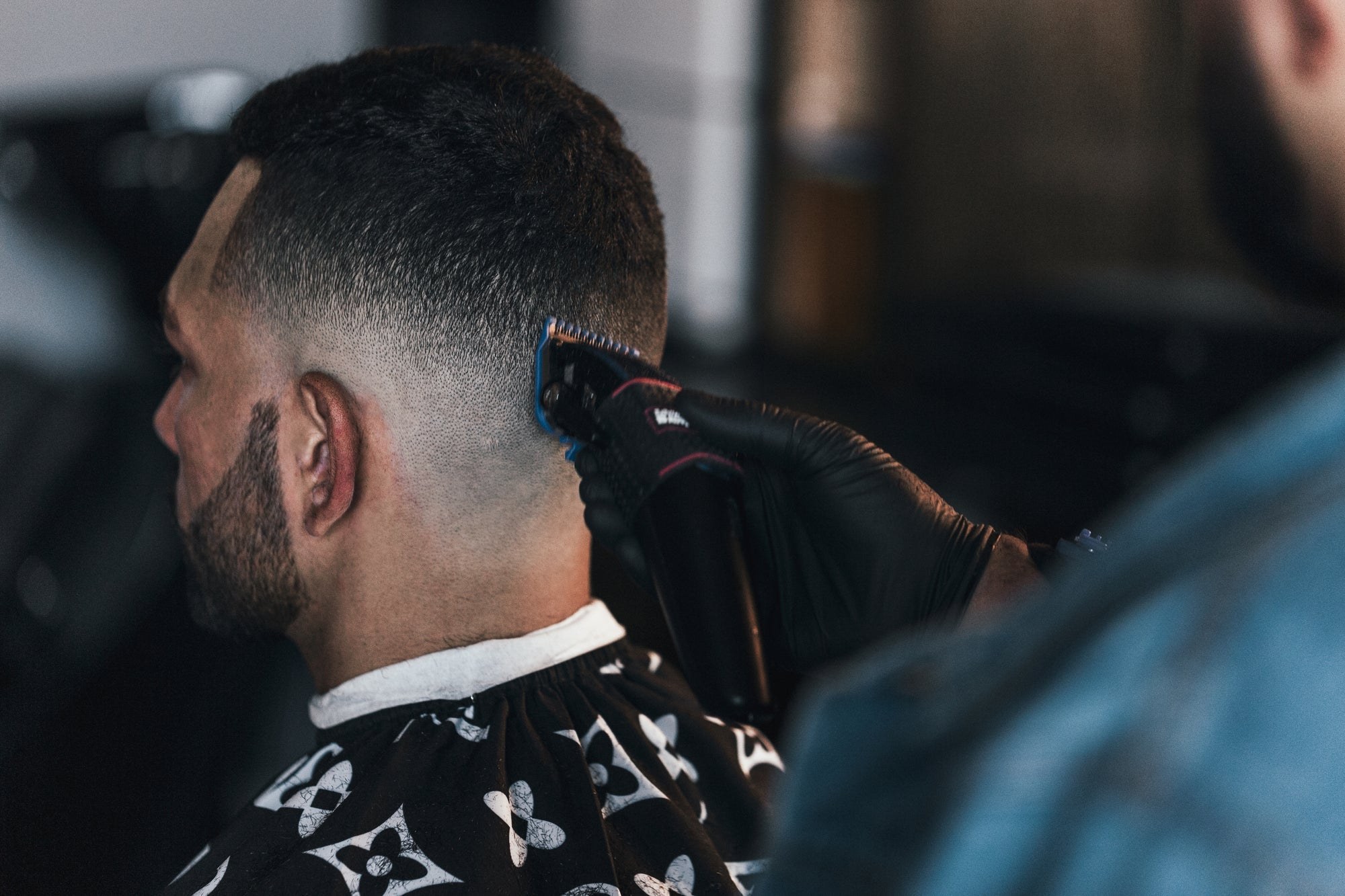
Bring pictures, then talk about them
Two or three photos beat one, and photos of hair like yours beat photos of a model with a different hair type entirely. Show the barber what you like in each picture, because it may be the fringe in one and the tapered neck in another rather than the whole cut. Then ask the direct question: which parts of this will my hair actually do?
Growth patterns decide a lot. A strong cowlick at the front can refuse a swept fringe no matter how good the cut is, and fine straight hair will not hold the texture in a photo of thick wavy hair. A barber who explains the limits before cutting is not being negative. That honesty is the difference between a style that works on Tuesday morning and one that only worked in the chair.
Before you ask for the change
- Save two or three reference photos of hair similar to yours
- Decide what you like in each photo: top, sides, fringe, or neckline
- Count your real morning minutes and be ready to state them
- List the tools and products you actually own
- Pick a low-stakes week, not the week of photos or events
- Agree on a staged version if the change is large
- Book the follow-up cleanup before you leave
Be honest about the morning routine
Every style has an effort price, paid daily. Some cuts need product, a blow-dryer, and five focused minutes. Others need damp hands and thirty seconds. Neither is better, but the mismatch is fatal: a high-effort cut given to a low-effort man looks unfinished by Wednesday and gets blamed on the barber.
Say plainly what your mornings look like in China Grove, whether that is out the door at dawn or a slow start with time to spare. Also say what you own. If there is no dryer in the house and you will not buy one, the barber needs to know, because several modern styles quietly assume one.
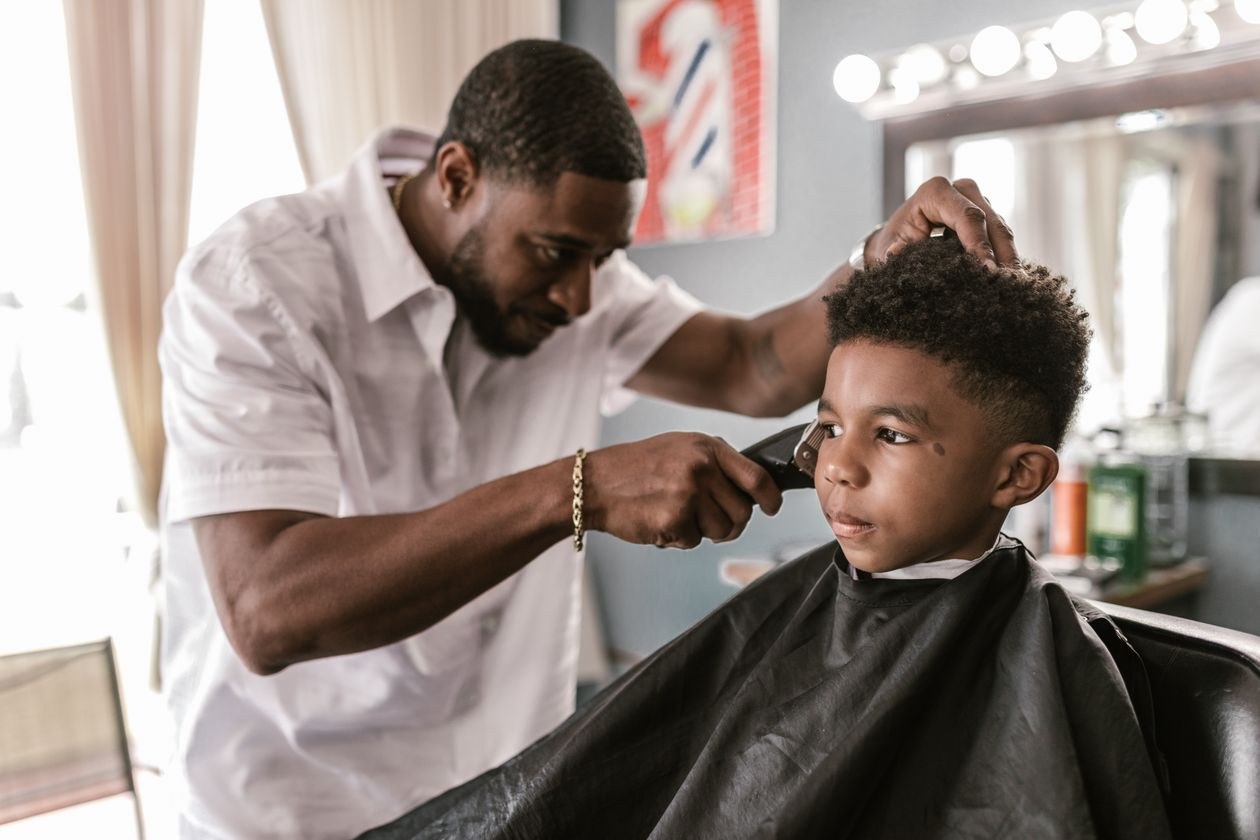
Test-drive before the full commitment
Big changes can be staged. Moving from a classic cut to something much shorter can pause at an in-between length for two weeks. Growing toward a longer style can start with just the top left alone while the sides stay familiar. Staging costs one extra visit and removes most of the regret risk.
Timing matters too. Do not debut a drastic change the day before photos, a wedding, or a first day at a new job. Give any new shape two weeks and one follow-up cleanup to settle, and learn its routine on ordinary days first. If the test version draws compliments and feels easy, finish the change with confidence.
Keeping it up between visits
At home, less is usually more. Wash when the scalp needs it rather than on a fixed daily habit if your hair runs dry, rinse well, and keep product amounts small. A pea-sized amount worked through dry or slightly damp hair does more than a large amount dumped on wet hair. If a style needs ten minutes of work every morning to look right, it is the wrong style for most weekdays, whatever it looked like leaving the shop.
Photos help, with one caution. A reference picture shows the destination, but your hair type, growth pattern, and hairline decide whether that destination is reachable. Bring two or three photos rather than one, ideally of hair similar to yours. A barber can then point to the parts that will transfer directly and the parts that will need adapting, before any hair comes off.
Common questions
What if I do not know the names of styles?
You do not need them. Photos plus plain descriptions like longer on top, tidy around the ears, and nothing that needs a dryer communicate more than a style name you are unsure of.
Can a barber tell me a change will not suit me?
A good one will, and will explain whether the obstacle is your hair type, growth pattern, or the daily effort involved. Ask what the closest workable version looks like instead.
How different should the first step be?
Different enough to judge the direction, small enough to live with if you stop there. One clear step in length or shape, held for two weeks, teaches you more than a total overhaul.
Photos in this guide are representative stock images.
← All guides from Faded On Main← Back to Faded On Main