The short summer fade that felt right in August starts to feel exposed by November in China Grove. Cold wind on a bare neck, dry indoor heat, and a knit hat flattened over the top all change what a cut needs to do. The answer is rarely a brand-new style. It is a planned grow-out, with the shape managed while the length arrives.
Done badly, growing out means six shaggy weeks and a hat worn indoors out of embarrassment. Done on a schedule, it means two or three shaping visits that keep the outline clean while the top and sides fill in. Fall is the time to start, because hair grows about half an inch a month and the length you want in January has to begin in October.
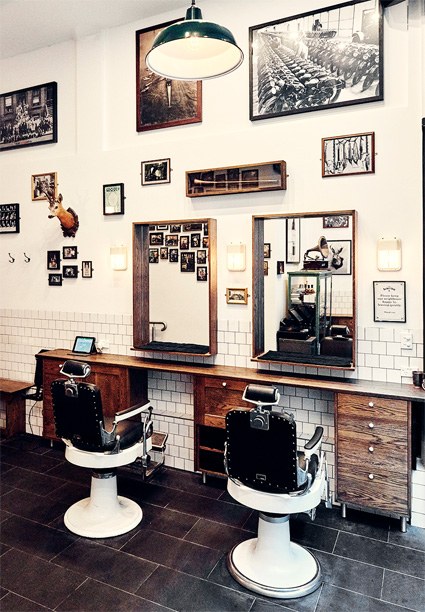
Start with the outline, not the length
The trick to a clean grow-out is counterintuitive: keep cutting the edges while you stop cutting the rest. The neckline, the hair over the ears, and the sideburns grow past tidy first, and cleaning only those areas buys two to three weeks of presentable hair at a time. Barbers call this a cleanup, and it is quick.
Tell Faded On Main the end goal at the first fall visit. A barber who knows you are heading for a longer, scissored winter cut will leave weight in different places than one who assumes the fade is coming back. Without that conversation, each visit quietly undoes the last one.
| Month | What to do | Why |
|---|---|---|
| September | Last full summer cut, slightly softer edges | Starts the grow-out from a clean base |
| October | Cleanup only: neckline, ears, sideburns | Length builds while the outline stays tidy |
| November | First shaping cut for the winter style | Removes bulk where the new shape does not need it |
| December to January | Shape check every 4 to 6 weeks, richer conditioner | Dry air and hats do the most damage now |
| February | Decide the spring target with your barber | Plans the transition before warm weather |
| March | Transitional shorter cut | Sets up the summer shape without a drastic jump |
Dry air, static, and the winter scalp
Heated indoor air dries both hair and scalp. Hair that was cooperative in humid September can turn flyaway and static-prone by December, lifting off hats and collars. A slightly heavier conditioner, used two or three times a week, and a small amount of product worked in after a shower usually calm it. Flakes that appear with the first cold snap are often simple dryness, not dandruff, and respond to gentler washing.
Hat season adds friction. A tight beanie worn daily rubs the hairline and flattens the top in the shape of the hat. Let hair dry fully before the hat goes on, choose a looser fit when you can, and expect to spend ten seconds with damp hands reshaping the top when the hat comes off. Longer winter cuts forgive hat hair far better than tight fades do.
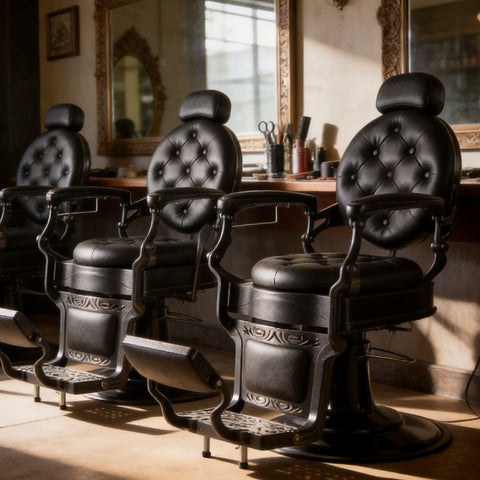
When to switch back in spring
The return trip starts earlier than most men plan. If you want a short cut established before the first hot, humid stretch, book the big cut in March rather than May. One shorter transitional cut, then the full summer shape four weeks later, avoids the shock of going from full winter length to skin in a single visit.
Pollen season is the other spring factor in this part of North Carolina. Longer hair collects more pollen through the day, and a nightly rinse becomes worth the trouble for allergy sufferers. Shorter hair rinses clean faster, which is one practical reason the summer fade returns every year.
Keeping it up between visits
Hair changes with the seasons in Piedmont North Carolina. Summer humidity swells hair and makes edges look soft sooner. Winter air dries the scalp and can make the same cut feel tighter and itchier. Pollen season adds its own problem in spring, when hats, rinsing, and frequent washing all affect how a cut sits. A schedule that works in January may need a small adjustment by July, and that is normal.
Growth is steady and unsentimental. Scalp hair grows roughly half an inch a month for most adults, a little faster in warm months and a little slower with age. That simple rate explains most maintenance schedules. Two weeks after a short cut the outline has moved noticeably, and by four to six weeks the shape the barber built has changed enough that styling takes longer each morning.
Common questions
How long does a grow-out actually take?
At roughly half an inch a month, expect two to three months to move from a short fade to a scissored cut with real length on the sides. Cleanups every two to three weeks keep it presentable throughout.
Should I change products for winter too?
Usually a small step up in moisture is enough: a conditioner you actually use, and a product with a softer finish. Very stiff, dry products tend to show static and flaking more in winter.
Is a longer cut warmer in any real sense?
A little, mainly around the ears and neck, which is where wind hits hardest. The bigger gain is comfort: less exposed scalp in cold air and fewer tight, dry feelings after a day outside.
Photos in this guide are representative stock images.
← All guides from Faded On Main← Back to Faded On Main