The first haircut gets the photo and the saved curl. The tenth haircut is the one that decides whether your child treats the barber chair as a normal errand or a wrestling match. At Faded On Main in China Grove, families who keep kids' cuts easy share three habits: a steady rhythm, a familiar barber, and a shape chosen for the playground rather than the portrait.
Skipping visits until the hair is unmanageable feels like saving effort, but it backfires. A child who returns after five months faces a longer appointment, more clipper time, and a bigger change in the mirror, all of which raise the odds of a miserable visit. Small, regular, boring appointments are the goal, because boring is what easy looks like.
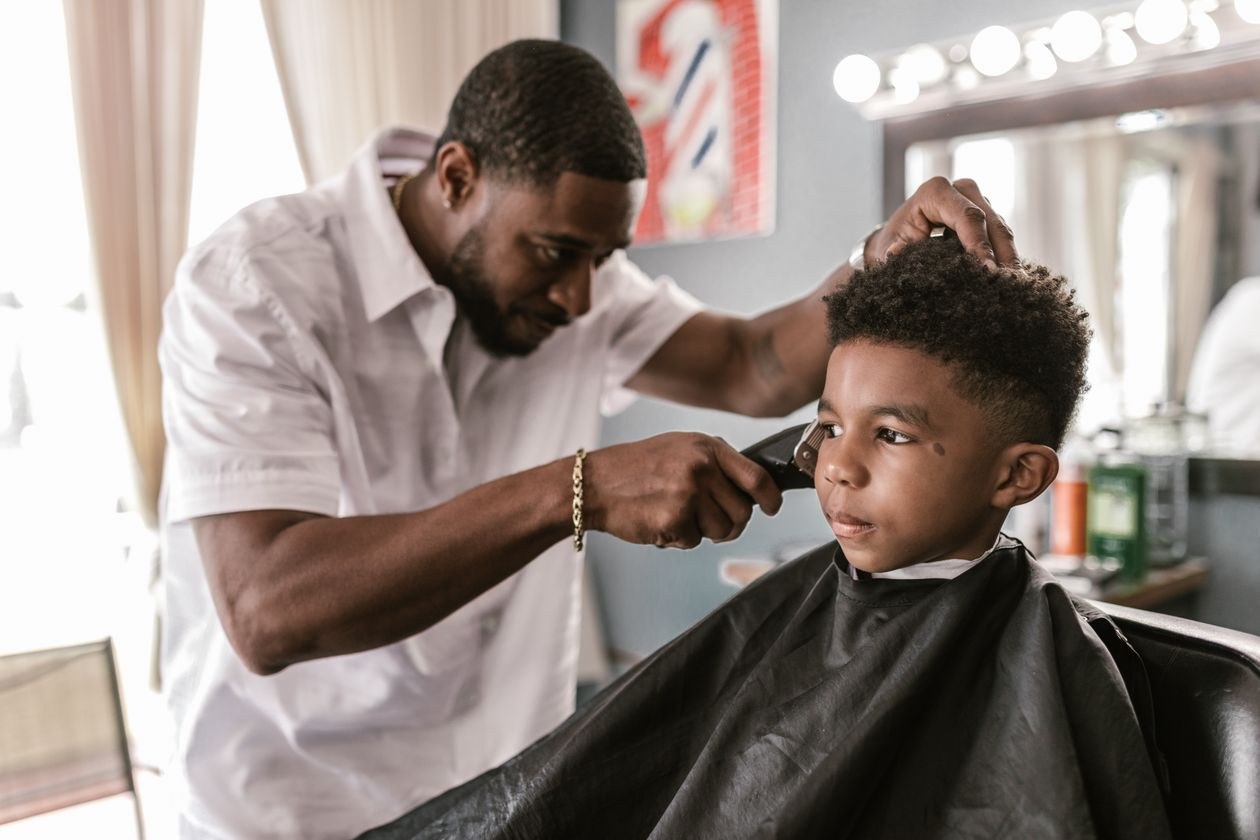
The rhythm matters more than the style
Children's hair grows at roughly the same half inch a month as adult hair, but on a smaller head that half inch changes the look faster. Fringes reach eyebrows, sides swallow ears, and necklines turn fuzzy in about a month. A visit every four to six weeks keeps each appointment short, since the barber is restoring a known shape instead of rebuilding one.
Regular visits also teach the routine. A child who sits in the chair monthly learns the cape, the clipper sound, and the spray bottle as ordinary events. A child who comes twice a year has to relearn them each time, usually at an older, stronger, more opinionated age. Familiarity is doing quiet work that no distraction trick can match.
Same barber, same small rituals
Where you can, book the same barber. That person learns how your child sits, which side the cowlick fights, and whether clippers or scissors go better. Your child learns a face and a voice. The appointment shrinks because nobody is starting from zero, and many barbers will quietly hold a consistent slot for a regular young client.
Keep the surrounding ritual plain and repeatable in China Grove: same kind of day, not squeezed before nap or lunch, a small explanation on the way, and no big promises of treats for bravery, which accidentally teach that there is something to fear. Praise the ordinary parts afterward: you sat well, that was quick, see you next time.

Shapes that survive the playground
Ask for a cut with growing room. A fringe cut a little above the eyebrows, sides that clear the ears without being severe, and a neckline that still looks fine slightly grown out will all look decent for the whole month between visits. Very precise fades and hard parts look sharp for a week on kids, then spend three weeks looking overgrown.
Also choose for the child's actual life. A swirl at the crown that stands up after every nap, or a long top that falls into the eyes during soccer, will annoy the wearer daily. Tell the barber about hats, helmets, swimming, and the cowlick you fight at home. The easiest cut is the one designed around those facts from the start.
Keeping it up between visits
Tools matter less than condition. Clippers, scissors, and razors all do poor work when dull or dirty, which is one reason a shop cut holds its shape longer than most home attempts. At home, keep any trimmer clean, oiled as the maker directs, and stored dry. If a home fix starts to involve correcting a correction, stop. A barber can level almost anything that still has length, but very little that has been cut too short.
A good barber visit runs on information. Tell the barber how long it has been since the last cut, what you have been doing at home, and what has been bothering you in the mirror. That short conversation saves guesswork. Most disappointments in the chair come from a vague request, not from bad cutting, and two minutes of plain talk at the start prevents weeks of growing out a misunderstanding.
Common questions
What if my child cried through the last cut?
Shorten the gap, not the effort. Book again in a few weeks, keep it brief, and let a small, finished visit rebuild confidence. Waiting six months to forget usually makes the next visit harder, not easier.
Should kids use product to hold a style?
Rarely, and only a small amount of something simple if an event calls for it. A cut that needs daily product on a seven-year-old is the wrong cut for daily life.
Is it fine to cut my child's hair at home between visits?
A careful fringe tidy is fine. Rebuilding sides or fighting a cowlick with home clippers often creates the unevenness the next barber visit then has to correct, so leave the shape itself to the shop.
Photos in this guide are representative stock images.
← All guides from Faded On Main← Back to Faded On Main